Robert Metzkes. Human Images
06/04/2014–09/06/2014
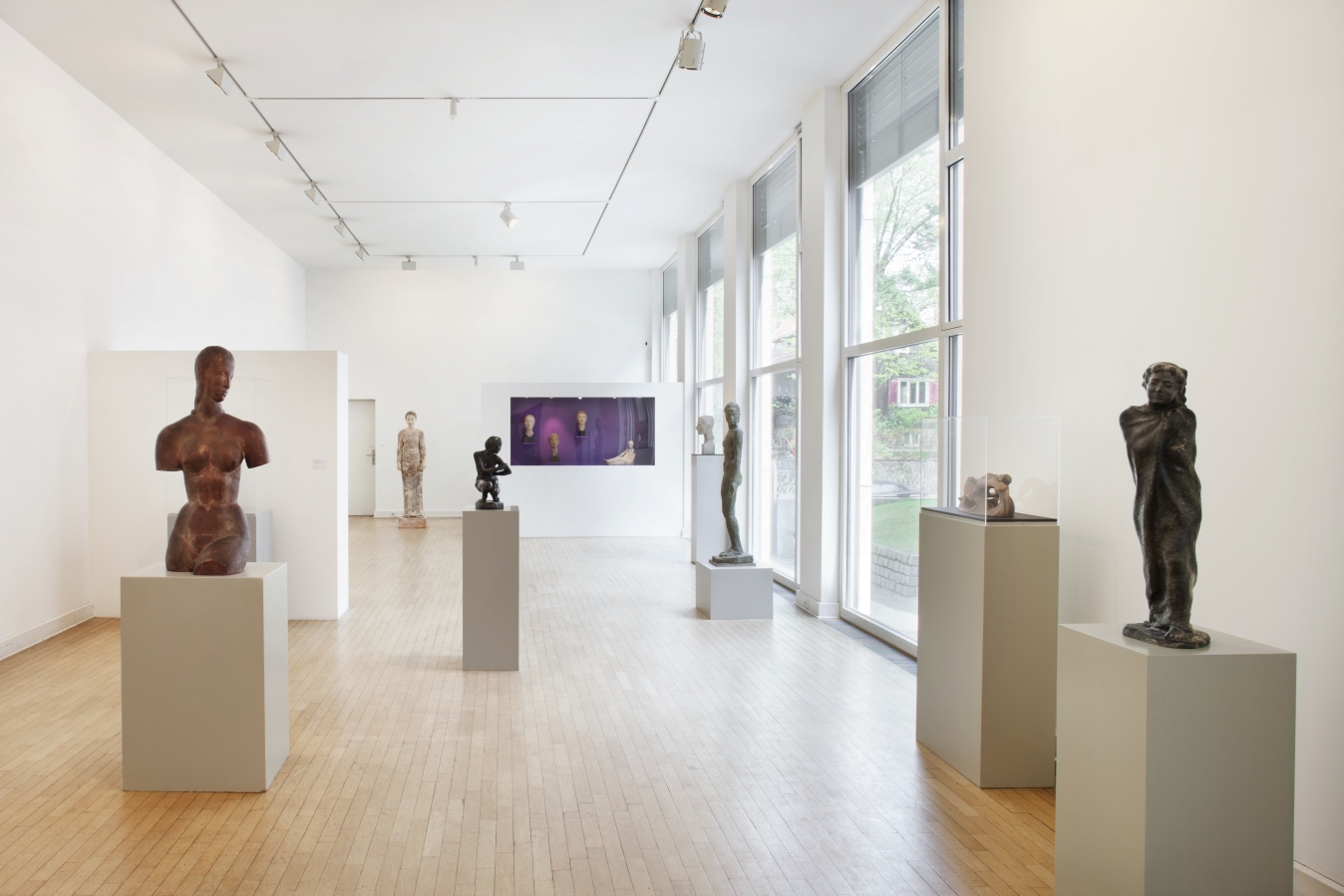
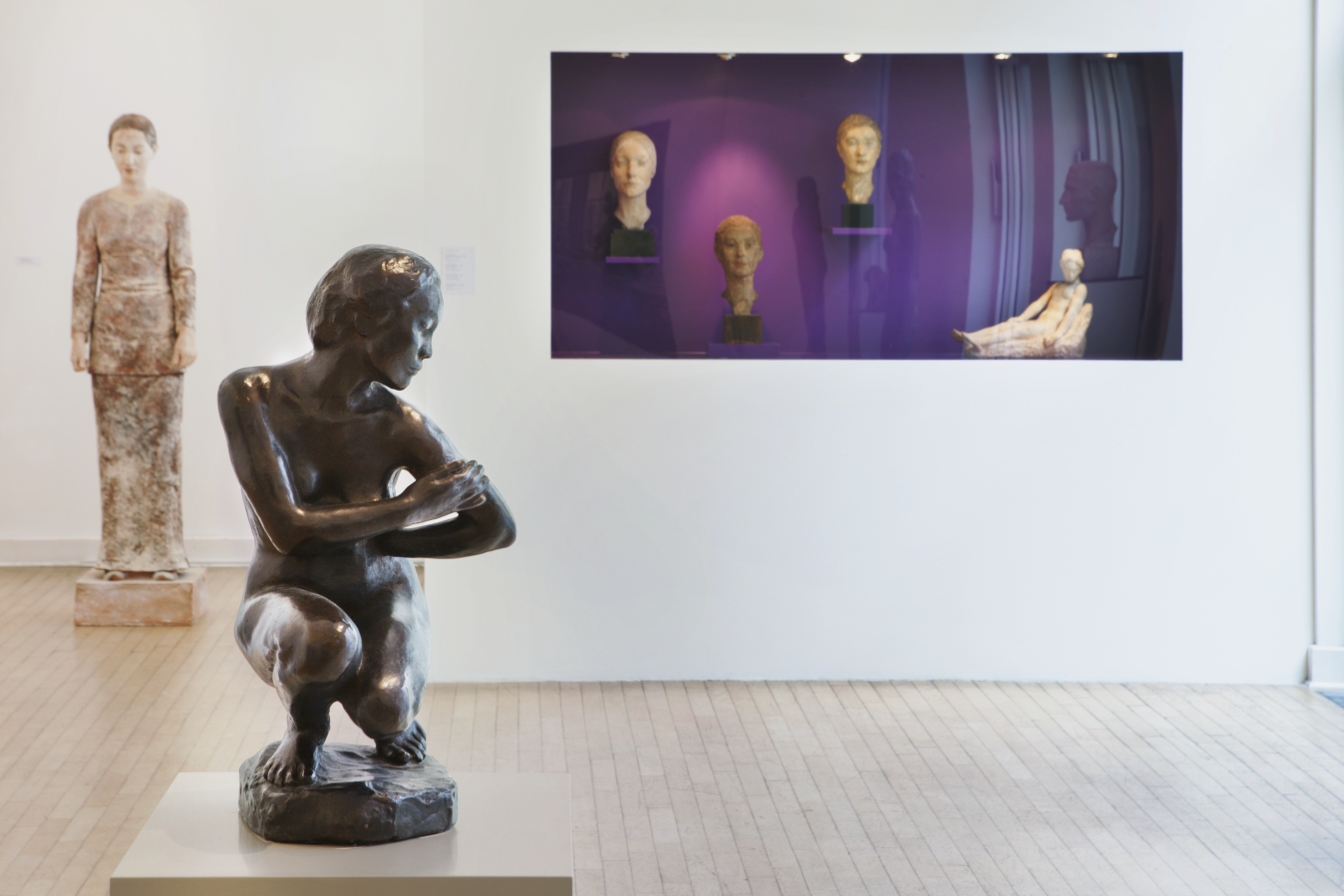
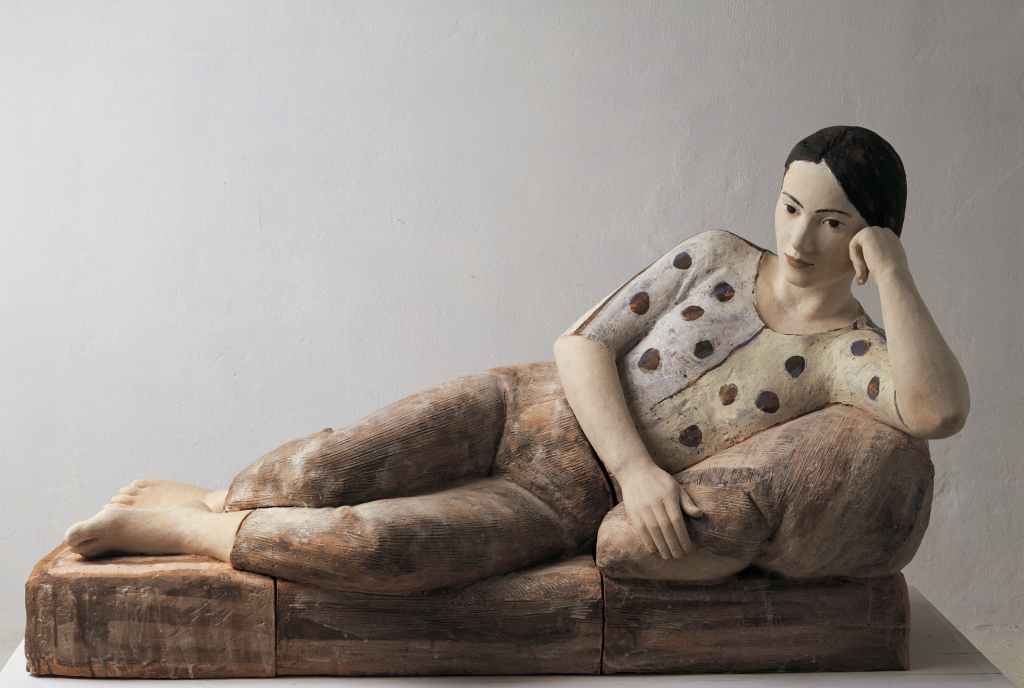
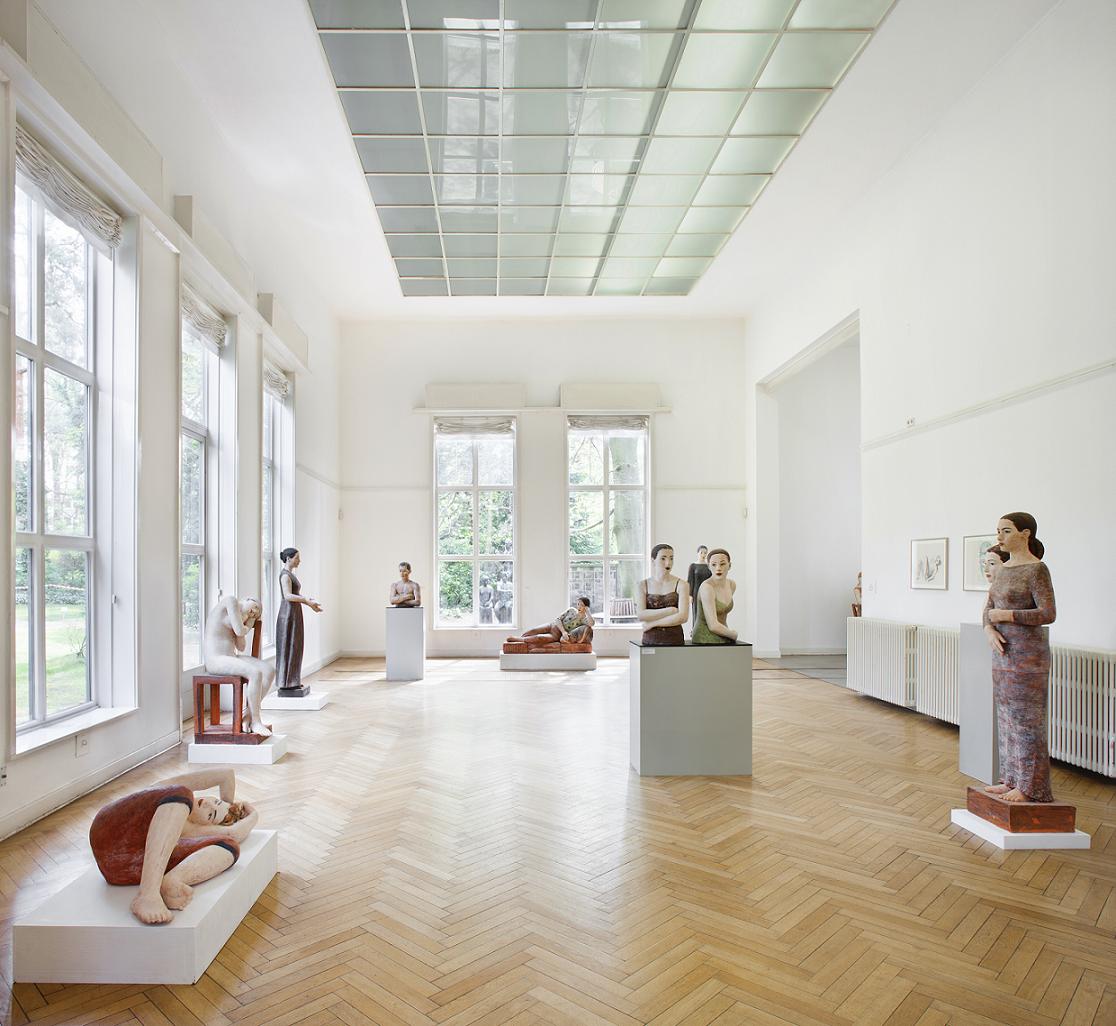
The Berlin sculptor Robert Metzkes shapes life-sized human images. Largely produced from colored terracotta, his sculptures convey a sense of timeless beauty. Exhibited in the former studio of the sculptor Georg Kolbe in Berlin’s Westend district, they enter into a lively dialogue with works by Kolbe and his contemporaries, reviving the long history of figurative sculpture. Alongside full-length portraits of walking, sitting or reclining figures, the exhibition on the occasion of the artist’s 60th birthday presents a series of expressive portrait busts in addition to a small selection of his unerring prints.
Robert Metzkes was raised in a large artist family. His father, the painter Harald Metzkes, was one the most prominent members of the so-called Berlin School, a realistic style that clearly distanced itself from official East German socialist realism; his mother, Elrid Metzkes, is a textile artist. Robert Metzkes was trained at the Hochschule für Bildende Künste in Dresden in the 1970s. From the beginning he felt himself obliged to a figurative, primarily realistic approach in the depiction the human form. He has remained true to this theme to the present day, whereby he regularly finds ever new formulations in his artistic work between verisimilitude and idealization. His work stands in a figurative tradition that played a fundamentally more important role in East Germany than it did in the West. But he also references a much wider art historical context that extends back to classical antiquity. Although his sculptures remain close to the models they depict, it is impossible to confuse them with reality. The artist himself has stated: “I am not concerned with portraying something, but rather with the form, which is a translator of reality.” The results of his sculptural practice are figures that are detached from the strict rules of composition. They demand to be perceived sensually by the viewer in an act that extends over and above mere visual comprehension.
He selects mostly young, classically beautiful women as his models and occasionally young men with fine differentiated physiques as well. He found his favorite model in “Mona,” with whom he has worked since 2000. Her name became the title of an expansive series of sculptures that bear her characteristic, finely modeled features. The artist saw in Mona’s overall appearance the possibility of depicting something universal that encompasses more than just the individual characteristics of one specific person.
In an exhibition of Robert Metzke’s sculptural works the viewer is surrounded by a large family of young women and handsome men made of earth, by faunas, harlequins and peaceful reclining figures. They seem to have escaped our cosmos of everyday encounters and yet manage to convey a quasi time-transcending constancy. The people he portrays in calm strokes are captured in a transitional state of quiet contemplation. Approaching them resembles an intimate situation in which both viewer and artwork face each other at eye-level. Detached from a narrative context, each figure stands for itself, for a profoundly felt humanity that unfolds all its strength in silence. Over and above current tendencies in sculpture that deal with material, spiritual, narrative or political themes, Robert Metzkes works with great persistence on his theme of the human figure. It involves an ongoing rethinking about a subject matter that is as old as history of humanity itself.
The exhibition is accompanied by a catalogue presenting the sculptural work of Robert Metzkes.