Im Netzwerk der Berliner Moderne
22/01/2017–01/05/2017
In the early 20th century, the vibrant metropolis of Berlin attracted a host of forward-thinking artists. The arts were in a period of renewal; a wide variety of disciplines inspired one another, and old conventions were being broken.
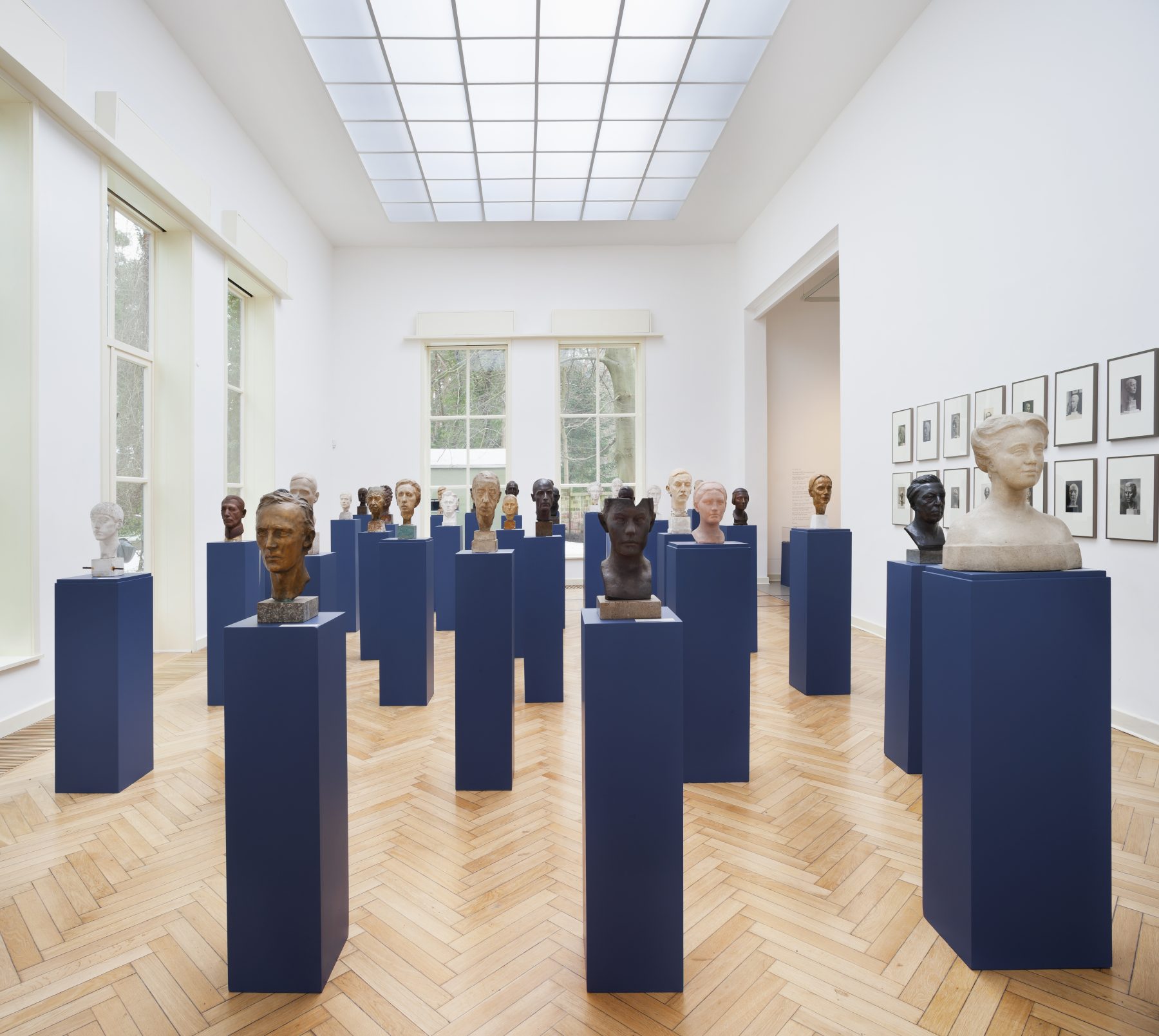
It was within this creative milieu that the young artist Georg Kolbe (1877–1947) made his mark, soon rising to become the most successful German sculptor of his generation. As a leading portraitist, particularly during the Weimar Republic, Kolbe created nearly 200 busts. The immortalised faces of prominent figures convey the spirit of an era characterised by splendour and contradiction.
The anniversary exhibition in the Kolbe Year 2017 presents the sculptor Georg Kolbe as a modern networker, particularly in the fields of art, architecture, modern dance, politics and society.
The approximately 40 portrait sculptures in the exhibition include, amongst others, the Social Democratic President of the Reich, Friedrich Ebert; Reich Chancellor Theobald von Bethmann Hollweg; the famous surgeon Ferdinand Sauerbruch of the Charité; the influential art historian Harry Graf Kessler; Kolbe’s charismatic art dealer Paul Cassirer; and the writer and pacifist Annette Kolb.
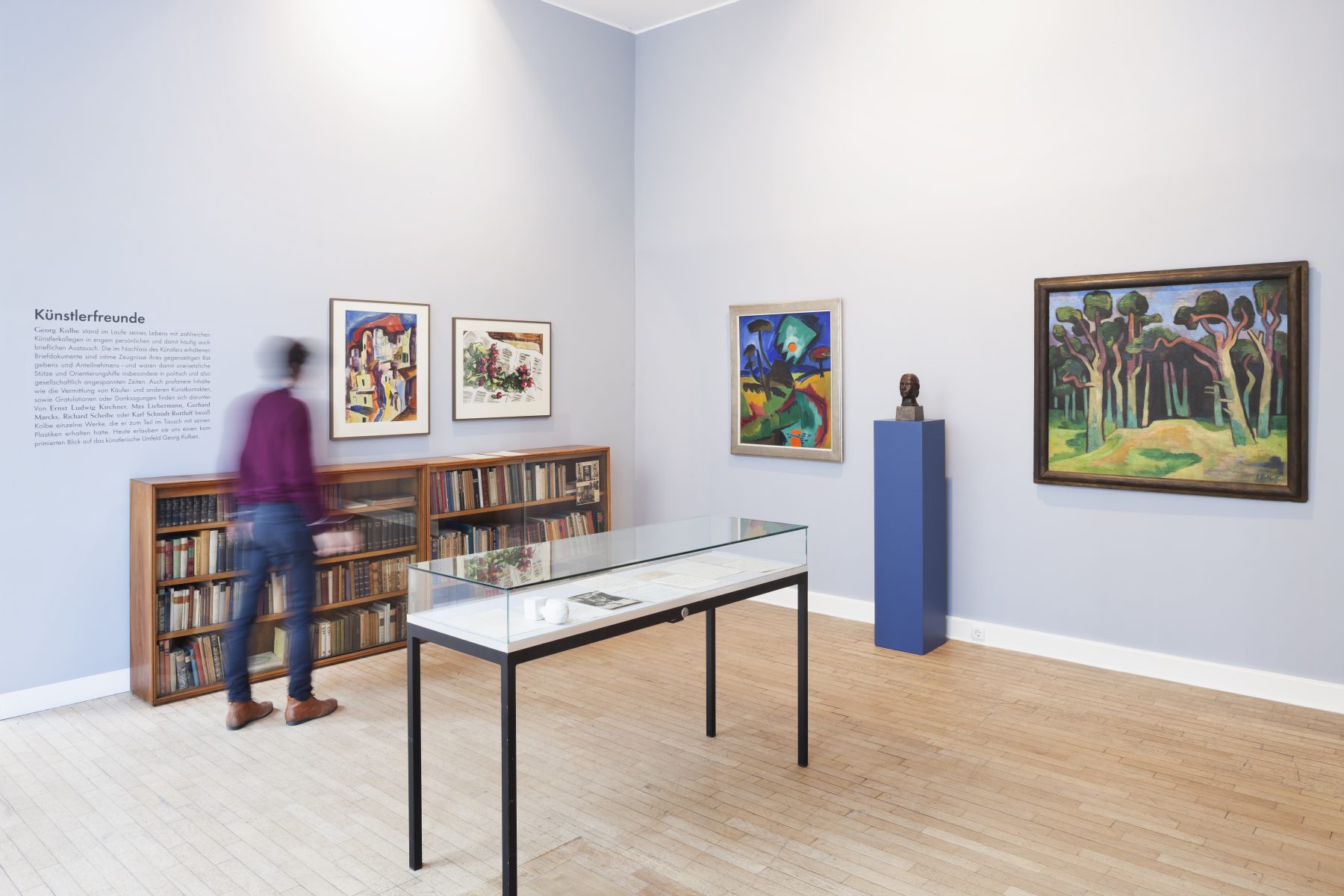
Whether as a member of the Berlin Secession or, later, as chairman of the Free Secession, Kolbe always sought to engage with his colleagues. Renée Sintenis, who later became a famous animal sculptor, modelled for him as a young woman; for a time, he worked in the same studio building as Max Beckmann. He went on trips with his friends Karl Schmidt-Rottluff and Richard Scheibe. He maintained a close relationship with Max Liebermann and exchanged extensive correspondence with, amongst others, Ernst Barlach and Gerhard Marcks.
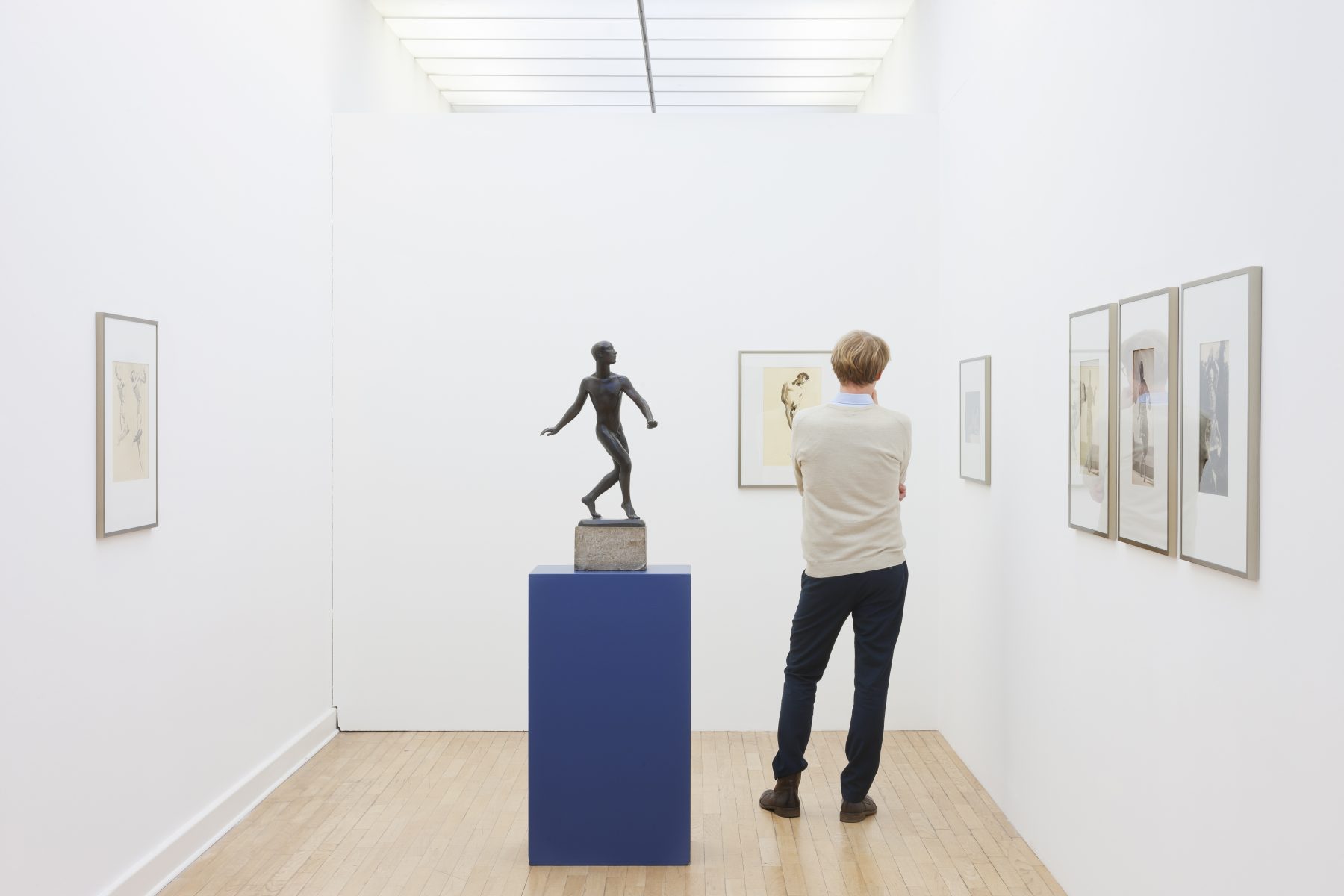
His enthusiasm for Expressionist dance led him to create significant works in drawing and sculpture depicting people in motion. The stars of the Ballets Russes, Vaslav Nijinsky and Tamara Karsawina, inspired him, as did the trailblazers of expressive dance – Gret Palucca, Mary Wigman, Vera Skoronel, Charlotte Bara and Ted Shawn, an early pioneer of American modern dance.
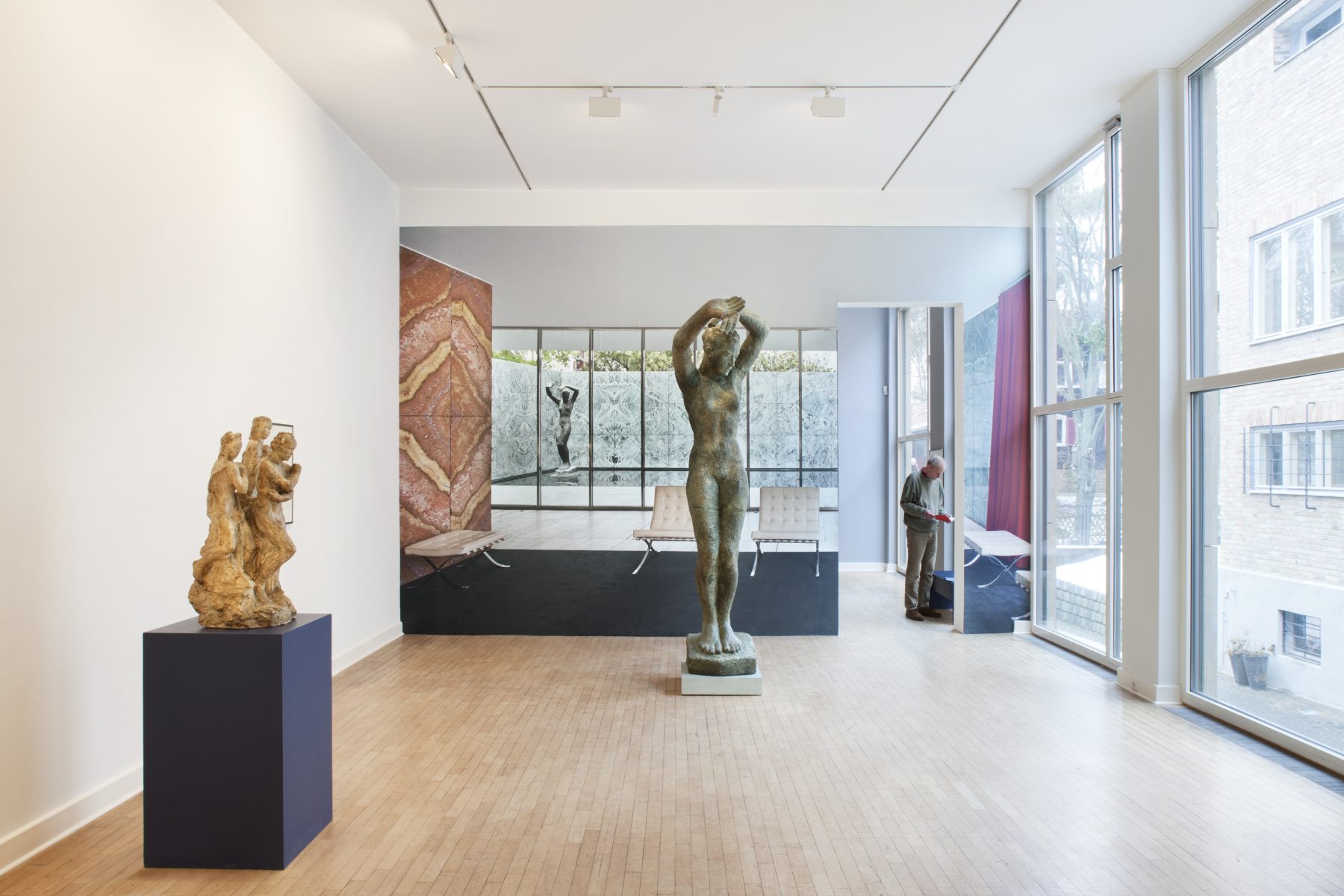
Kolbe’s sculptures were installed in buildings of modernist architecture that are now iconic. The best known is undoubtedly ‘Morgen’ (1925) in Ludwig Mies van der Rohe’s Barcelona Pavilion (1929). However, other famous architects such as Walter Gropius, Bruno Taut, Hans Poelzig and Henry van de Velde also appreciated his sculptures and incorporated them into their modern buildings. Kolbe himself engaged intensively with modernist architecture. A visible example of this is the building complex on Sensburger Allee (1928–29), the Georg Kolbe Museum, with which he created an ideal and, for its time, exceptionally modern setting for his art.