herman de vries
how green is the grass?
27. January 2020 – 23. August 2020
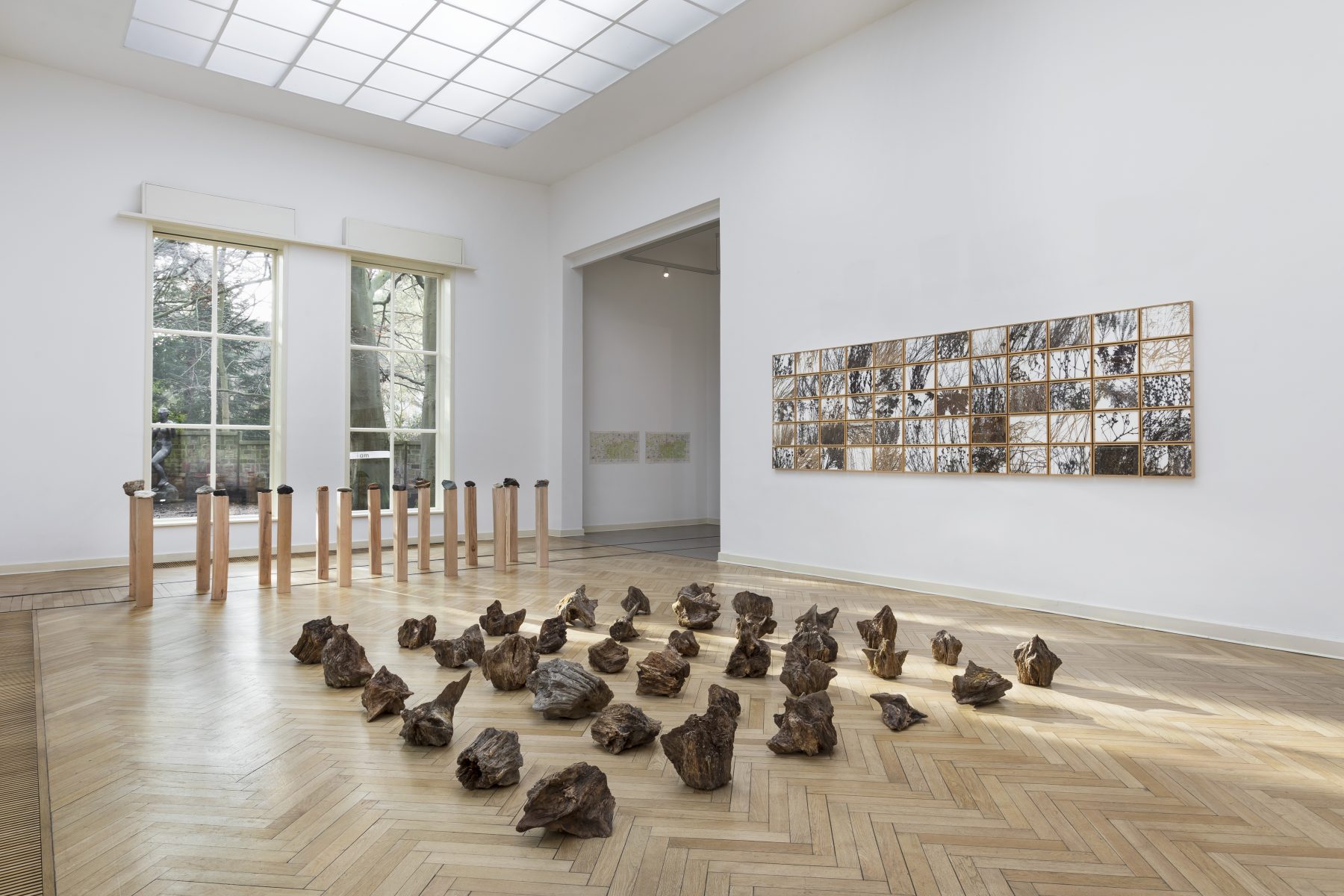
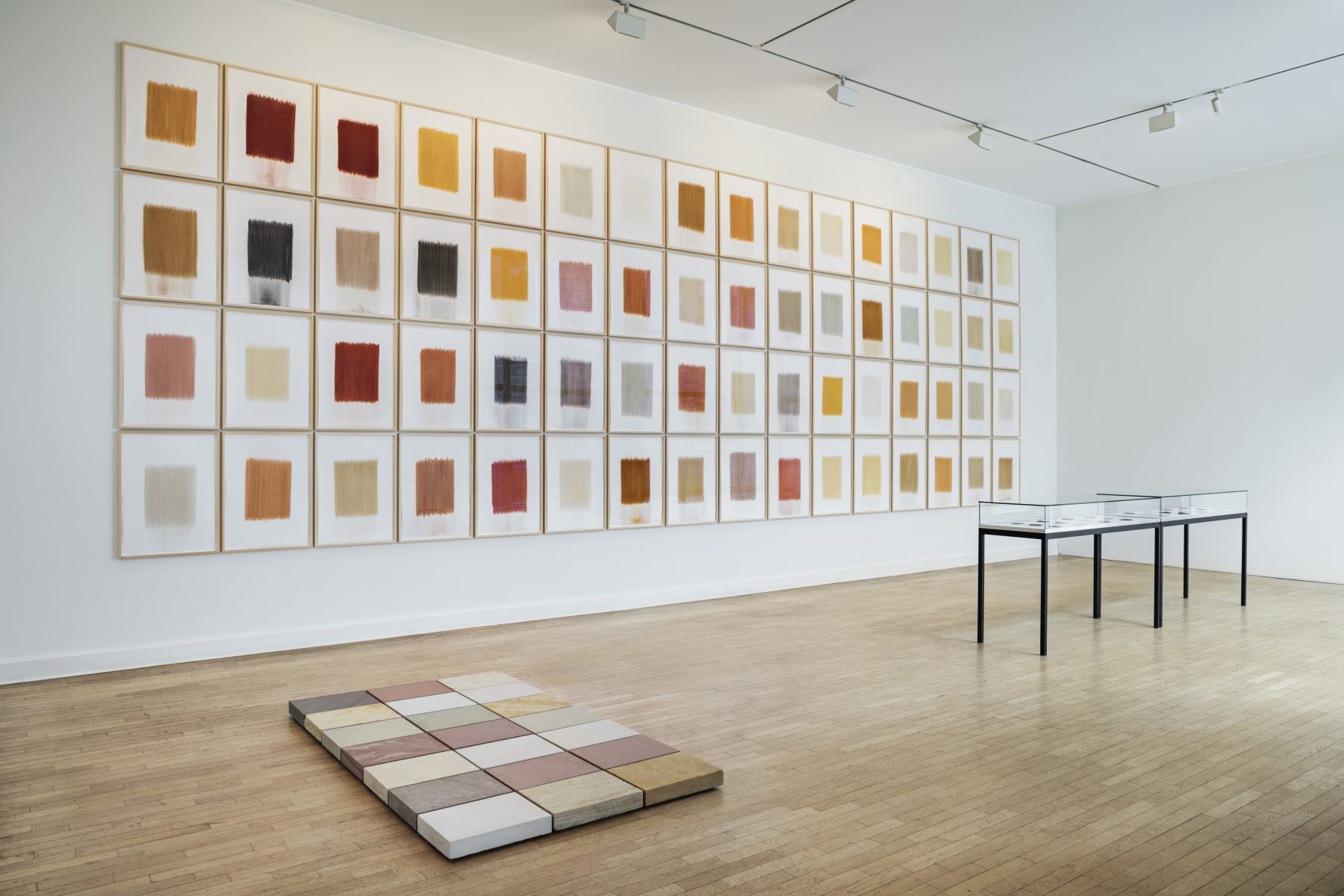
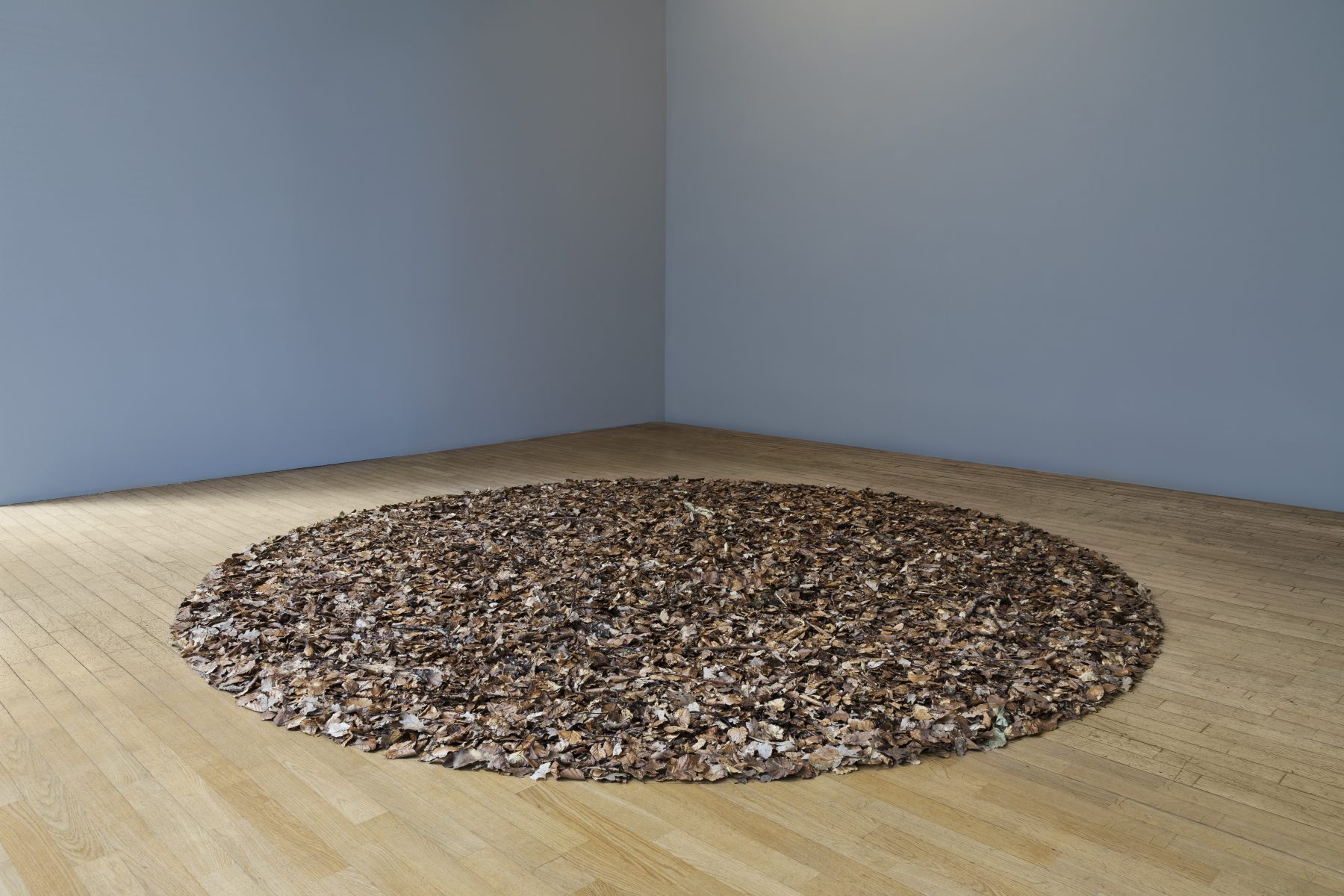
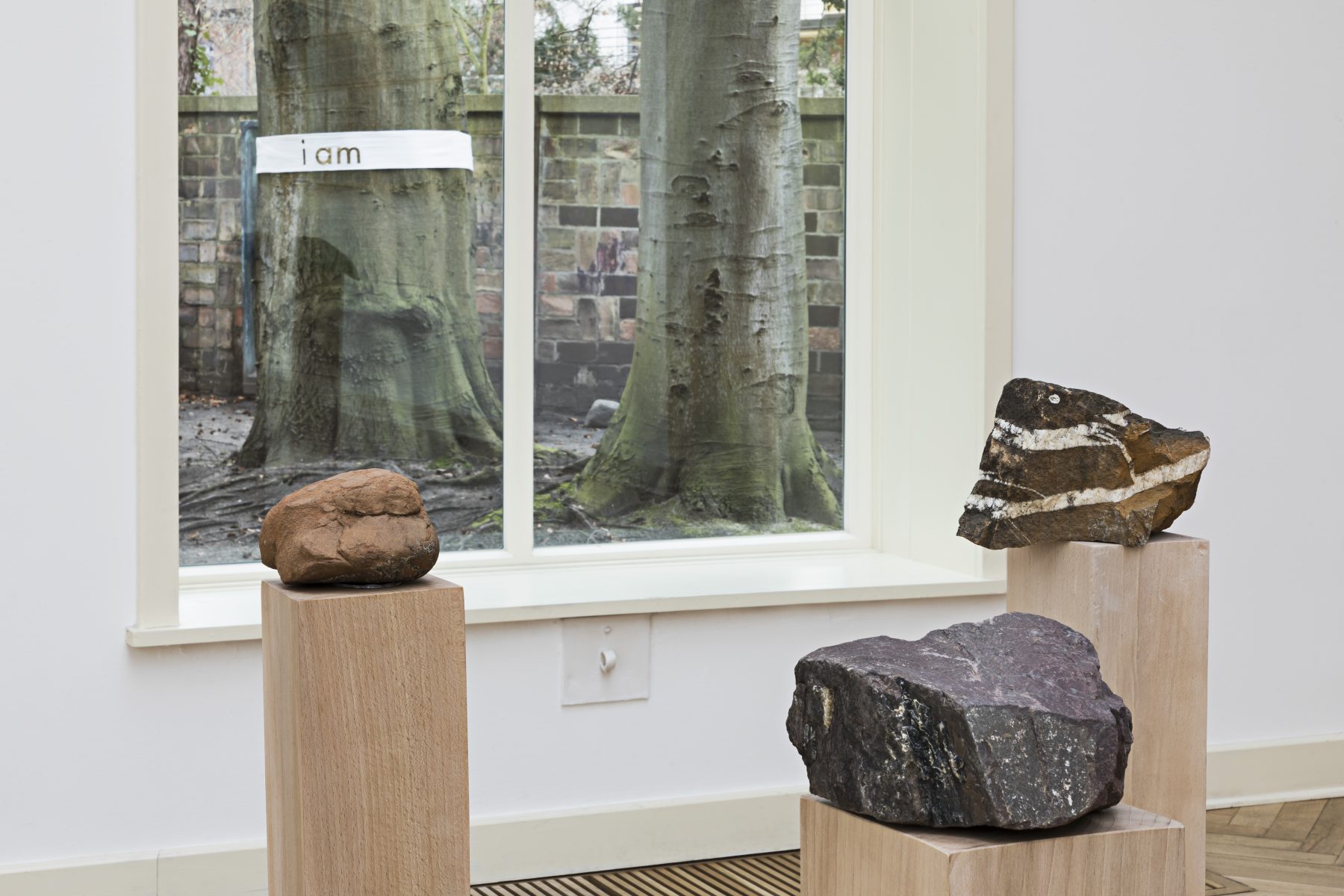
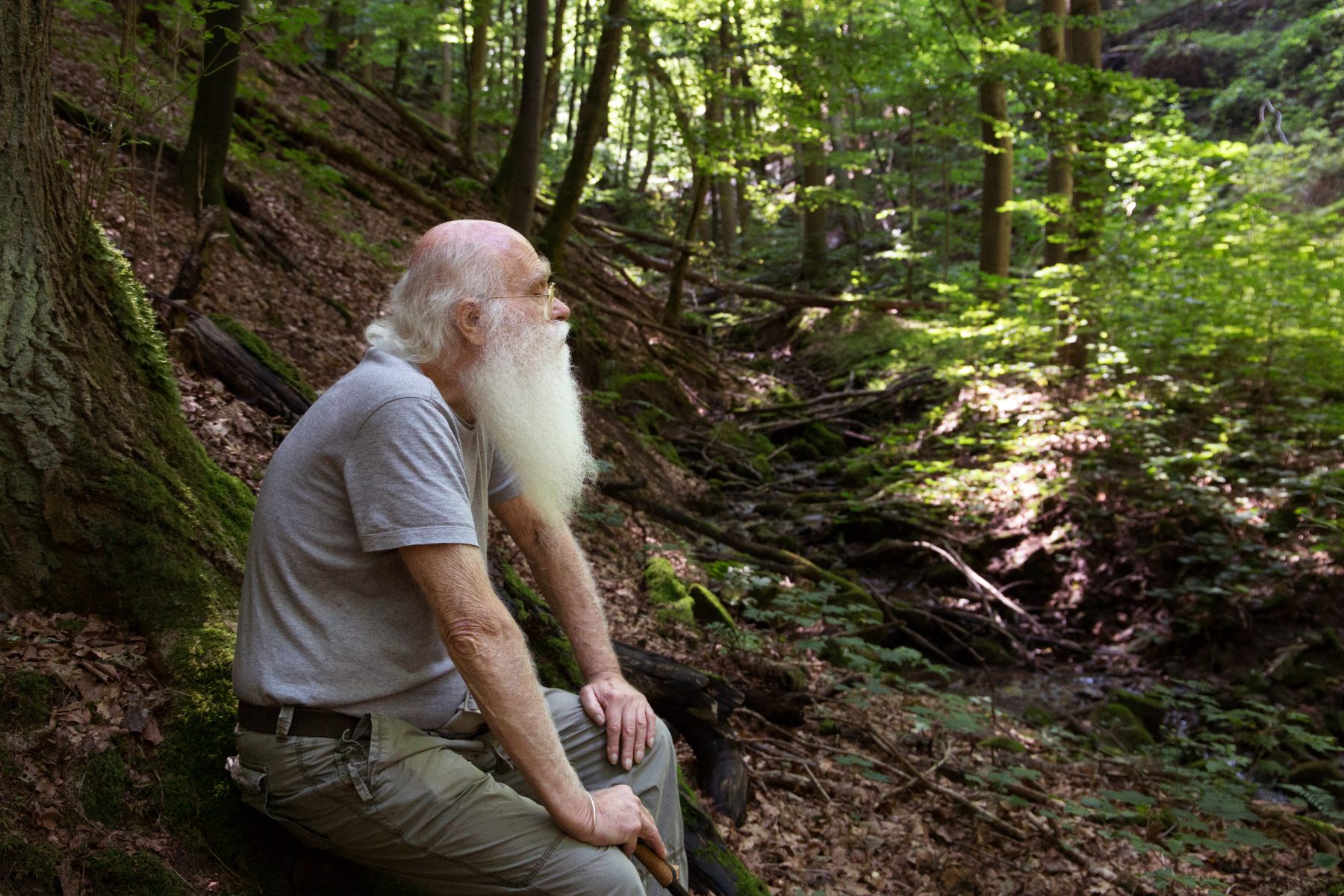
Herman de vries’ (b. 1931) lifelong artistic engagement with nature is both poetic and radical. This retrospective exhibition at the Georg Kolbe Museum, organised in collaboration with the Federal Environment Agency, brings together key works from the German-Dutch artist’s past 50 years of creative output. Since his presentation at the Venice Biennale (2015), he has been regarded as one of the most influential figures in environmental art. His engagement with nature emerged from his work in informal painting within the international context of the ZERO group. The careful observation of nature’s cyclical processes and all-encompassing laws forms the basis of his work. Since the 1970s, herman de vries has lived a secluded life in the Steigerwald forest in Franconia, undertaking extensive explorations both there and around the world. He archives and catalogues his findings with impressive diversity, bringing his scientifically precise studies back into the realm of art. Like no other artist, he turned his attention early on to the strained relationship between humanity and nature and, far removed from fast-moving art movements, has created a compelling body of work that is highly topical today – not only because of the ‘Fridays for Future’ movement and the tangible effects of the climate crisis.
Herman de Vries, born in Alkmaar, the Netherlands, in 1931 and living in Eschenau in the Steigerwald since 1970, was a trained gardener by trade and worked at the ‘Institute for Applied Biological Research in Nature’ in Arnhem during the 1960s. In 1959, together with other artists, he founded the group of Dutch Informalists, which in 1960 formed the ‘nul’ group and was closely associated with ZERO. From 1969 onwards, he undertook numerous journeys to Africa and Asia. Upon settling in Eschenau in Franconia, nature became the focus of his work. On his walks through the northern Steigerwald, which herman de vries describes as ‘his studio’, he collects natural artefacts, which he later incorporates into his work. He continues this collecting and search for traces whilst travelling too. Over time, this has resulted in an archive of over 9,000 soil samples – each labelled with details of where and when it was found – which he has collected himself or which collectors have sent to him. From this collection, de vries draws the material for his ‘earth rubbings’ – finely ground earth rubbed onto paper – whose multi-layered colour palette alludes to the soil’s function as an archive of natural and cultural history, as well as to the diversity of nature. At the latest since the ZERO exhibition at the Guggenheim Museum in New York (2014) and with his presentation in the Dutch Pavilion at the Venice Biennale, herman de vries has attracted widespread media interest following decades of consistent creative work.
The exhibition was developed as a collaborative project between the Georg Kolbe Museum and the Federal Environment Agency and was co-curated by Dr Julia Wallner (Georg Kolbe Museum) and Fotini Mavromati (Umweltbundesamt).