Emy Roeder. The Cosmic Nature of All Being
12/10/2019–12/01/2020
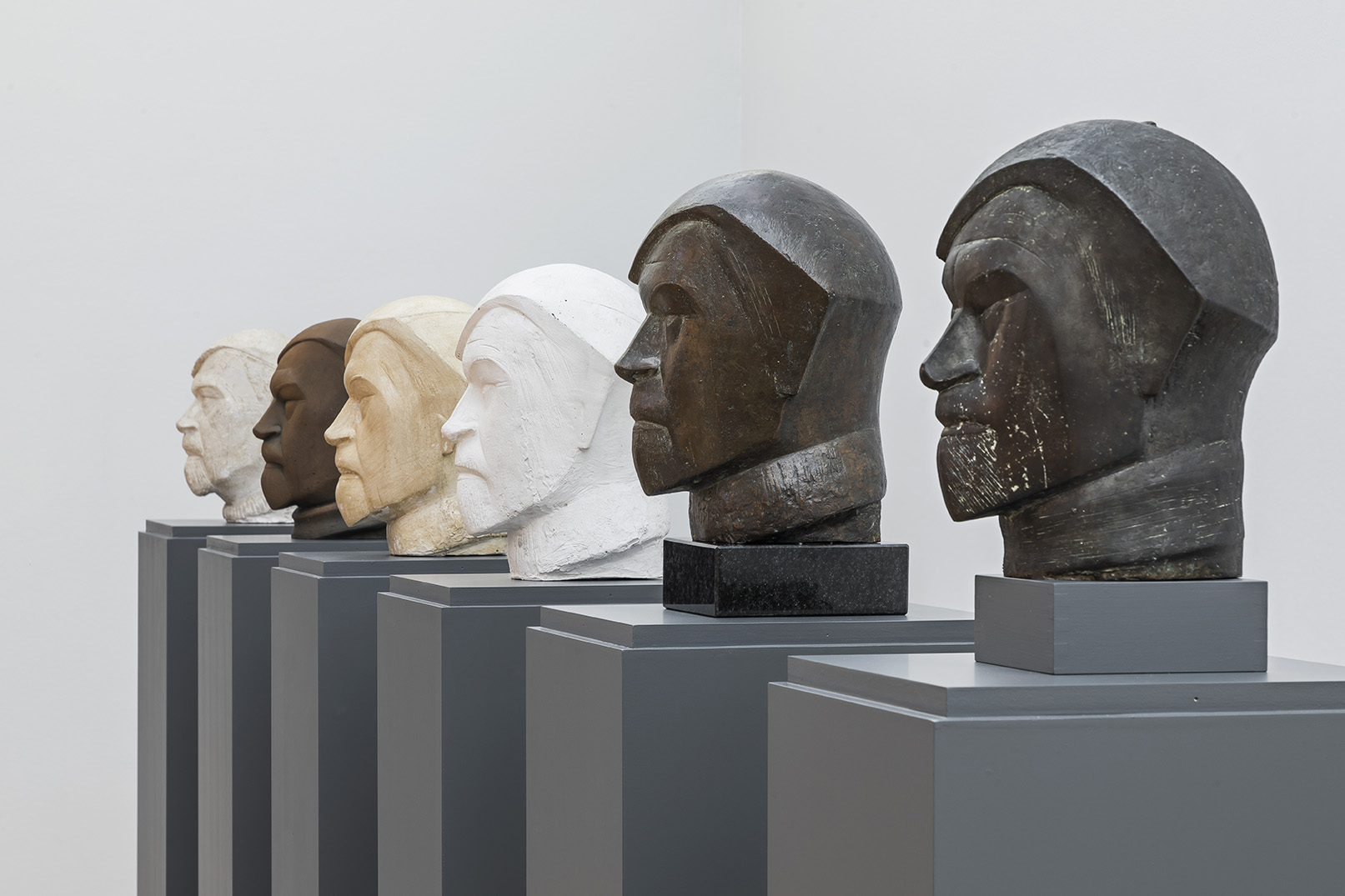
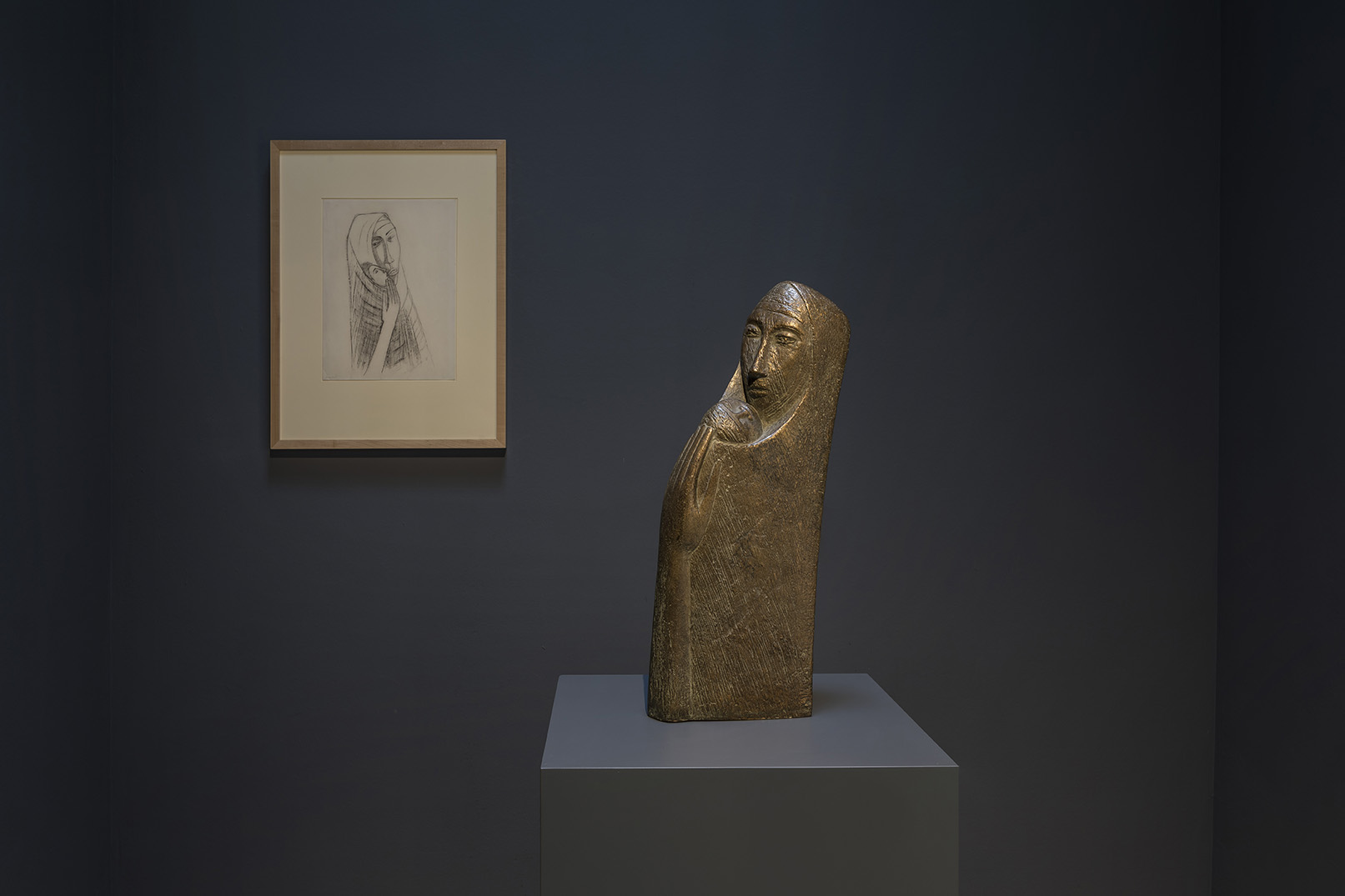
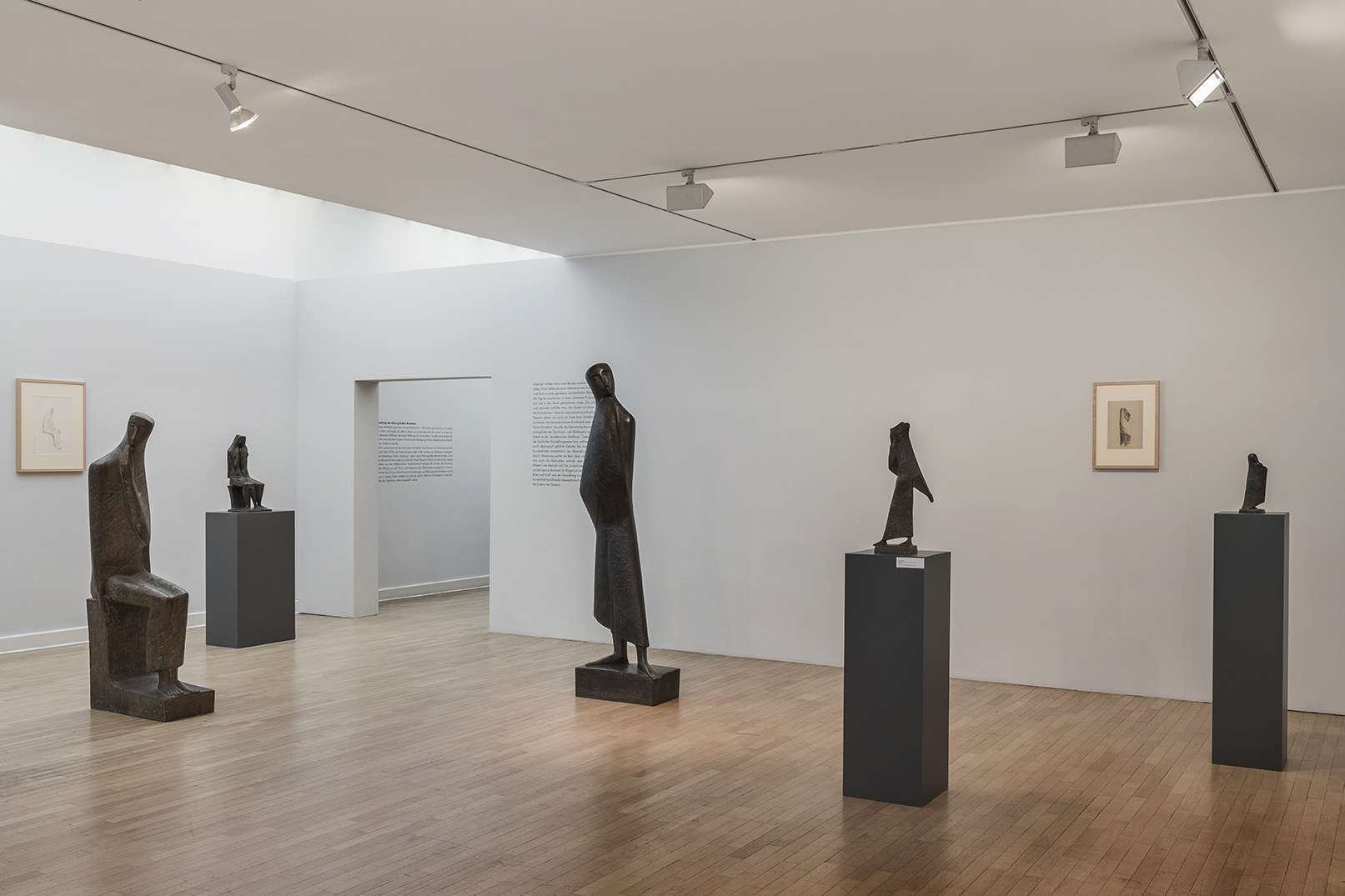
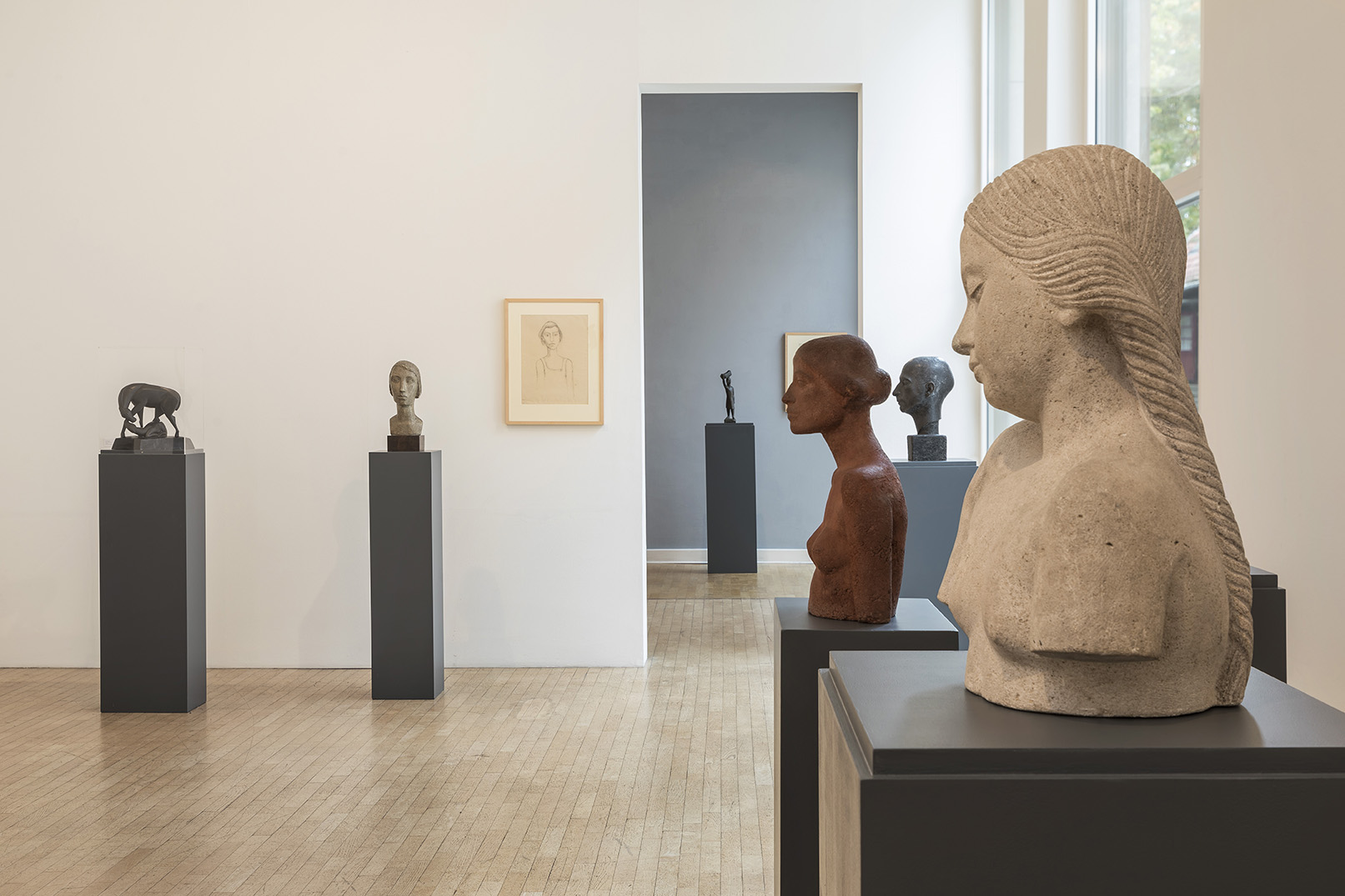
As a member of the November Group and later ostracised by Nazi propaganda, Emy Roeder (1890–1971) is one of the very few female voices in early 20th-century modern art. This major retrospective exhibition, featuring around 80 sculptures and over 40 drawings, pays tribute to the work of this committed artist, who was exceptional in her role. In the male-dominated world of sculpture, Roeder was one of the few women to make a lasting mark. Her friendly correspondence with Hans Purrmann, Karl Schmidt-Rottluff and Erich Heckel makes it clear that she was regarded as an equal member of this generation of artists, a generation so torn apart by Nazism and war.
The defamatory ‘Degenerate Art’ exhibition of 1937 featured her Expressionist sculpture of a pregnant woman, which was subsequently long considered lost. In 1955, a second version of this work was exhibited at the first Documenta, marking the beginning of Roeder’s second career after the war. In 2010, a fragment of the terracotta version of the ‘Pregnant Woman’—which had been believed lost—was discovered in the ground as part of the so-called ‘Berlin Sculpture Find’ during construction work at the Rotes Rathaus, and provided the key to interpreting the spectacular excavation.
Emy Roeder was one of the most distinguished female sculptors of the 20th century. With remarkable consistency, she developed her own figurative visual language, which, starting from natural models, led to an ever-increasing degree of stylisation. Her female nudes and robed figures, her groups of friends and siblings, as well as her animal sculptures, radiate inner peace and strength, tenderness and love, but also profound loneliness. In this way, Roeder sought timeless expressions of the essence of existence and the cosmic nature of all being.
The exhibition catalogue contains essays by, amongst others, Ursel Berger, Felix Bileter, Arie Hartog, Henrike Holsing and Julia Wallner.