Auguste Rodin und Madame Hanako. Der französische Bildhauer und die Emanzipationsgeschichte der japanischen Tänzerin
09/06/2016–18/09/2016
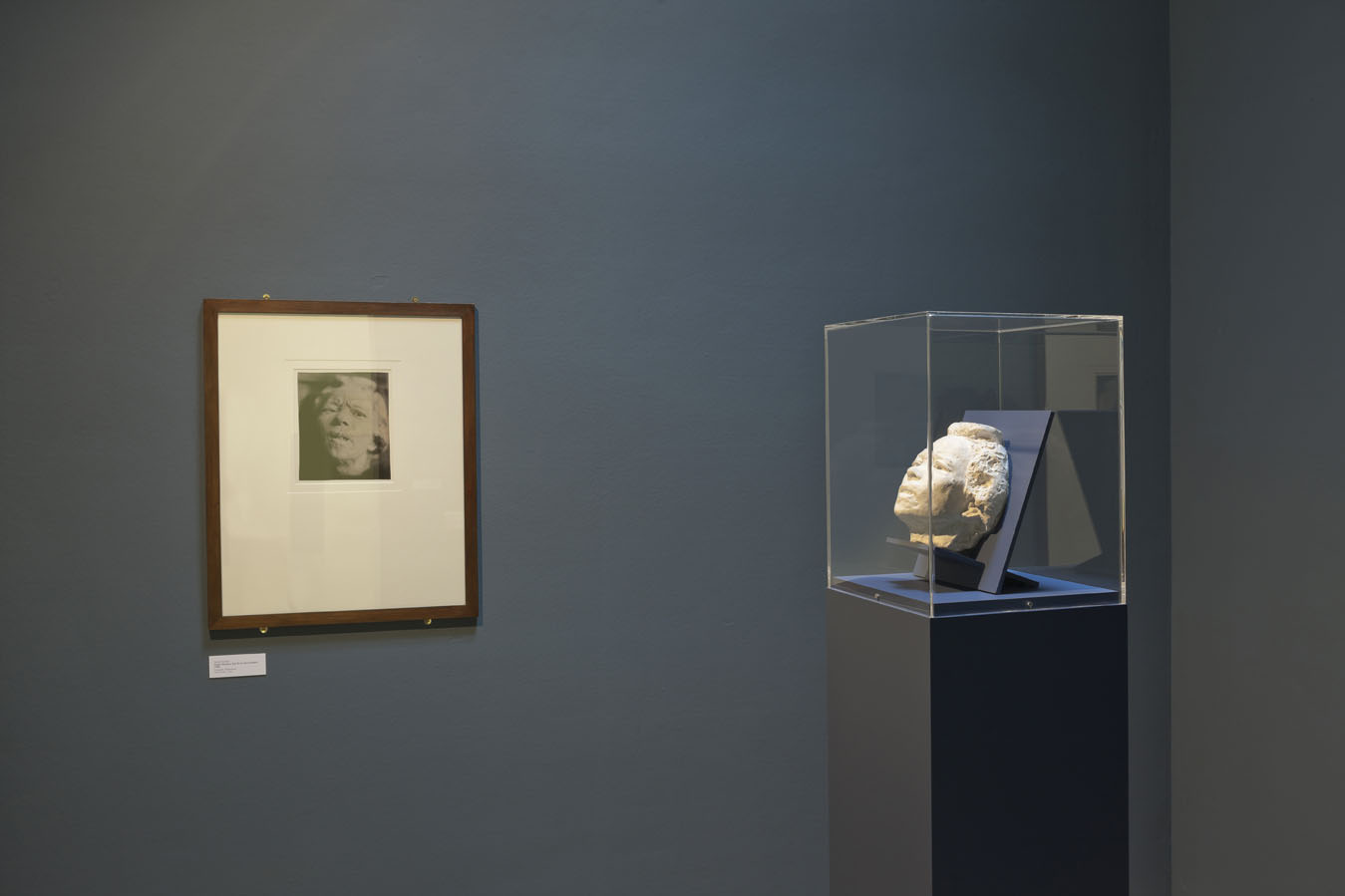
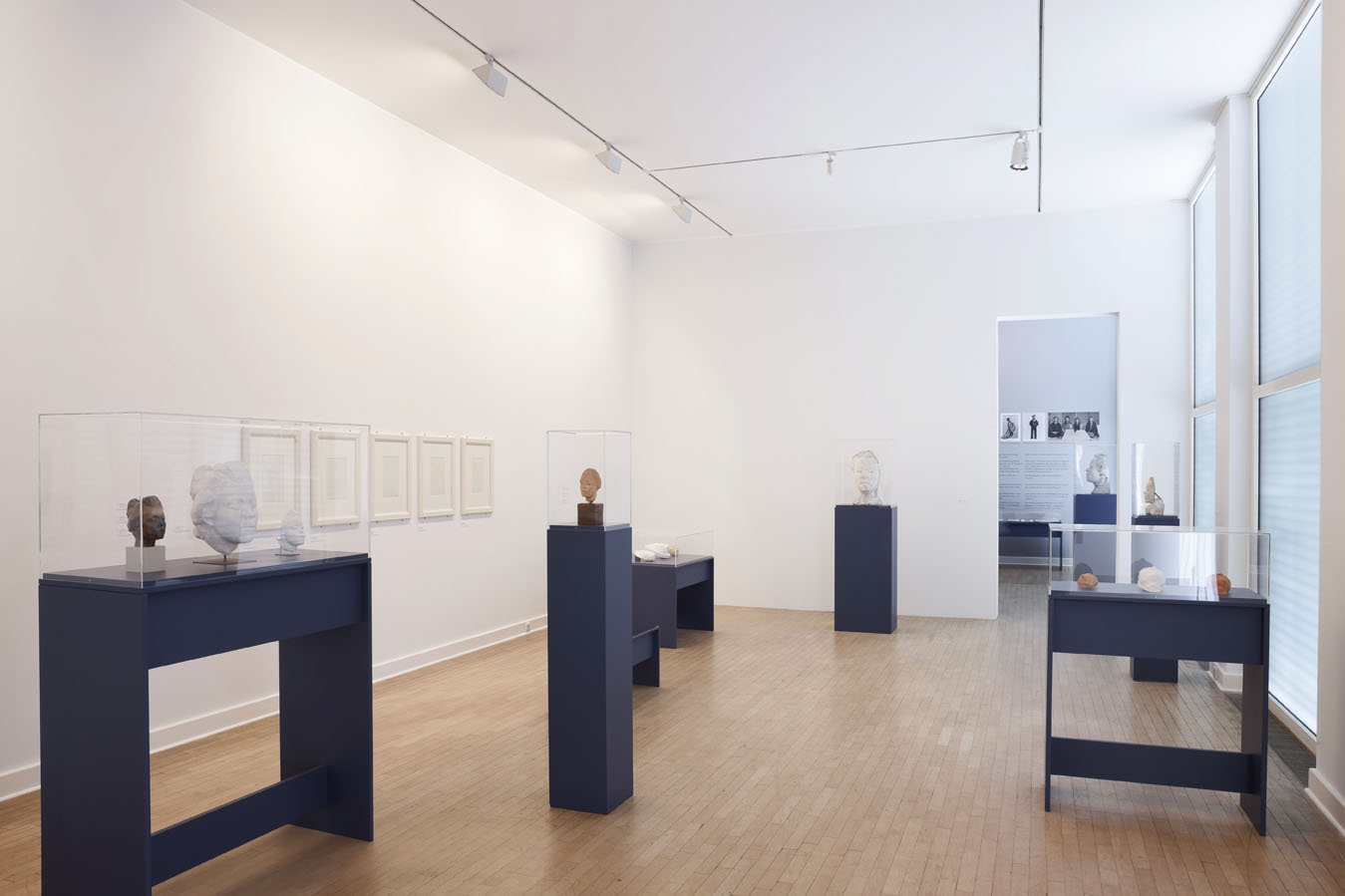
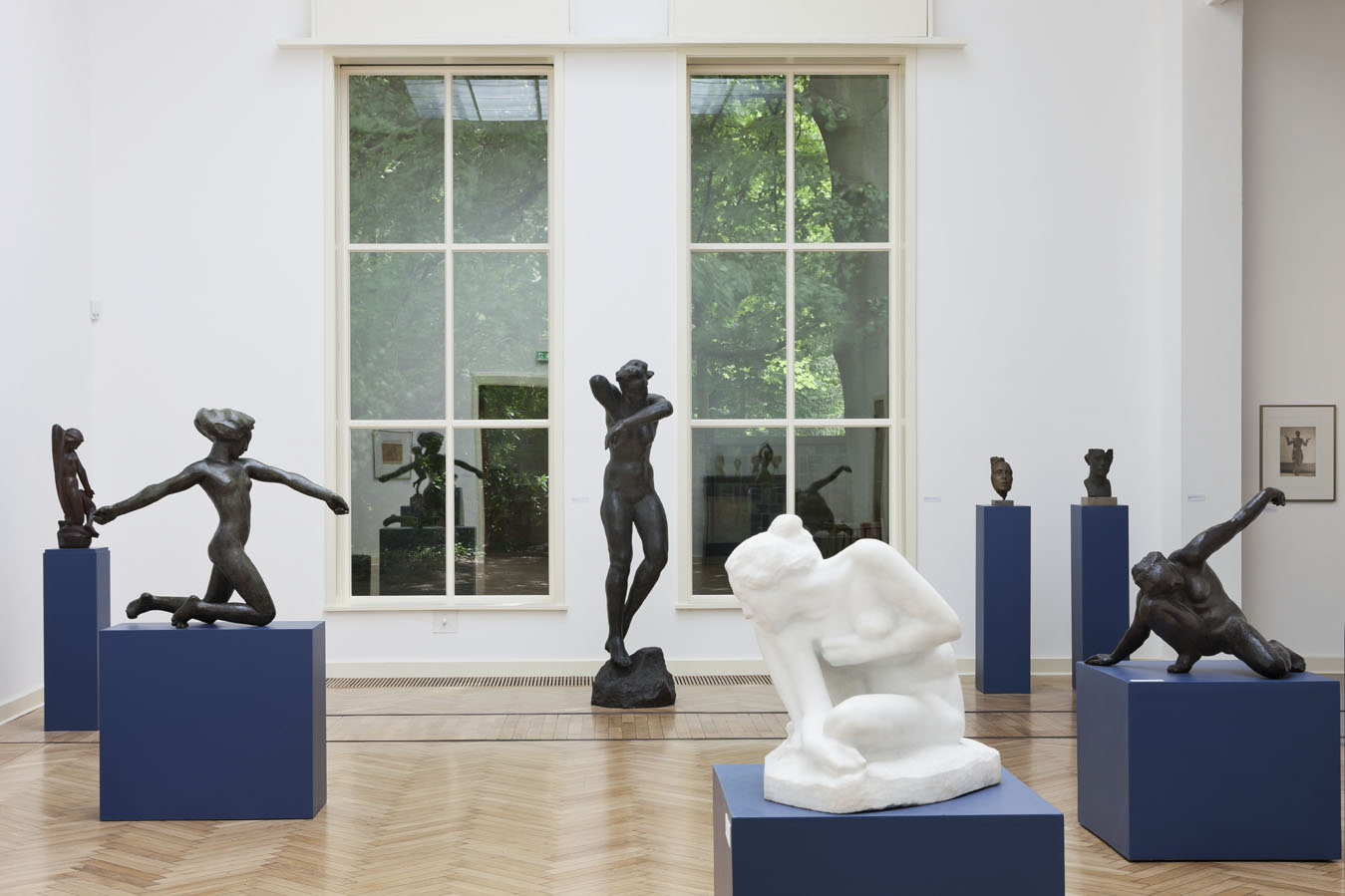
The Georg Kolbe Museum is presenting Auguste Rodin’s ‘Hanako’ cycle. The exhibition brings together around 50 original sculptures and drawings from the Musée Rodin in Paris, which are on display in Germany for the first time in this form. The exhibition also features a wealth of historical documents, correspondence and photographs.
Auguste Rodin (1840–1917) is regarded as the founder of modern sculpture, which focuses on the human body and its expressive power. Between 1907 and 1911, he created a series of expressive masks, portraits and busts modelled on Hanako.
Never before had Rodin portrayed one of his models so frequently. These delicate works of art tell the story of the inspiring encounter between the world-famous sculptor and the petite dancer, who toured throughout Europe for over a decade.
The exhibition thus reflects the astonishing story of a young Japanese woman’s emancipation in Europe. Coming from a rigid, distant society, she confidently sought her freedom at the beginning of the 20th century in the vibrant cities of the time: Paris, London, Moscow and Berlin.
With her dramatic stage performances, she captivated artists and intellectuals alike. The exhibition ‘Auguste Rodin and Madame Hanako’ at the reopened Georg Kolbe Museum offers an unusual perspective and the chance to rediscover one of the great figures of art history.
Curators of the exhibition: Dr Julia Wallner and Brygida Ochaim