Alfred Flechtheim. Kunsthändler der Moderne

21/05/2017–03/10/2017
1/3
1/3
1/3 Fotos: Bernd Eufinger

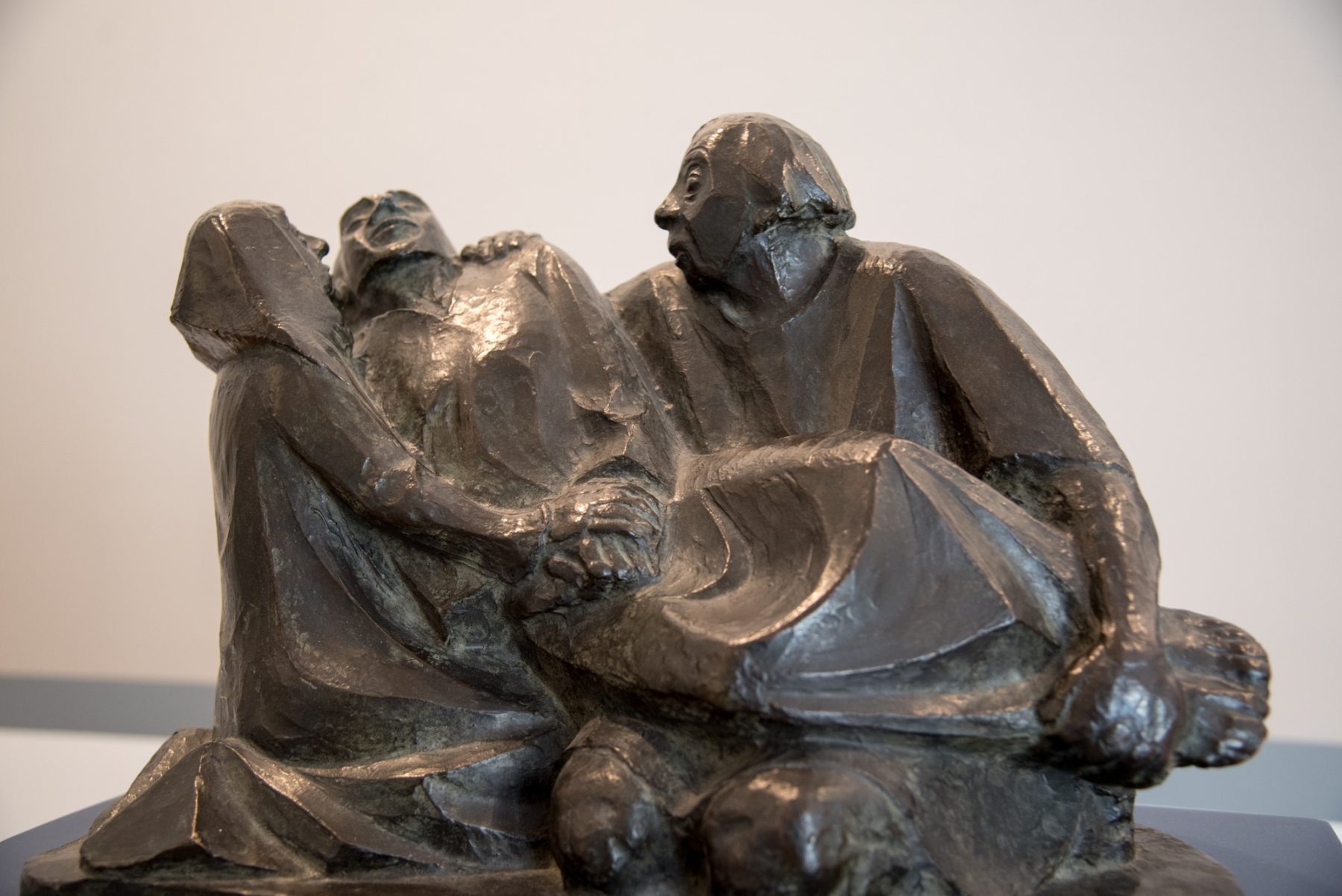
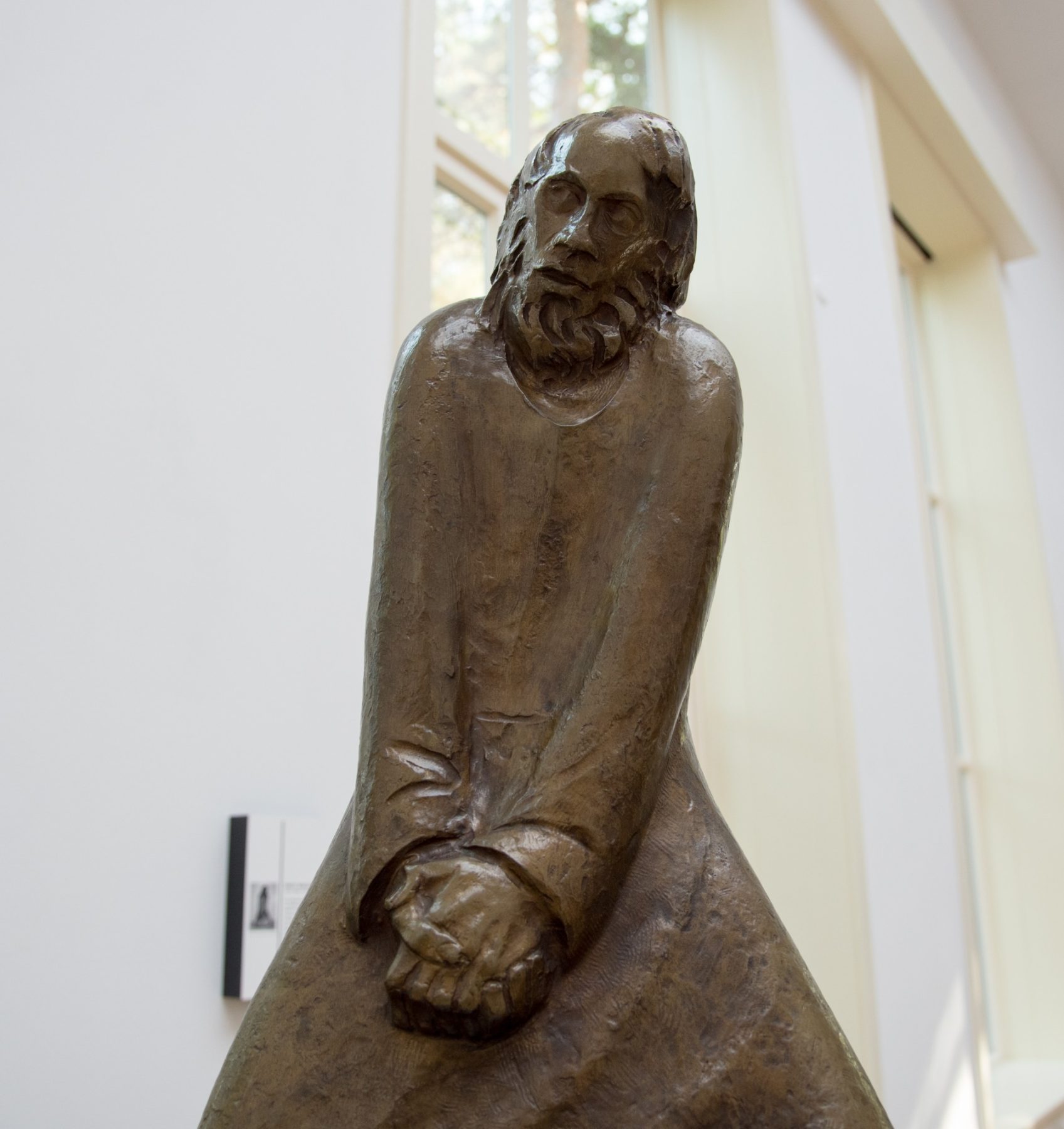
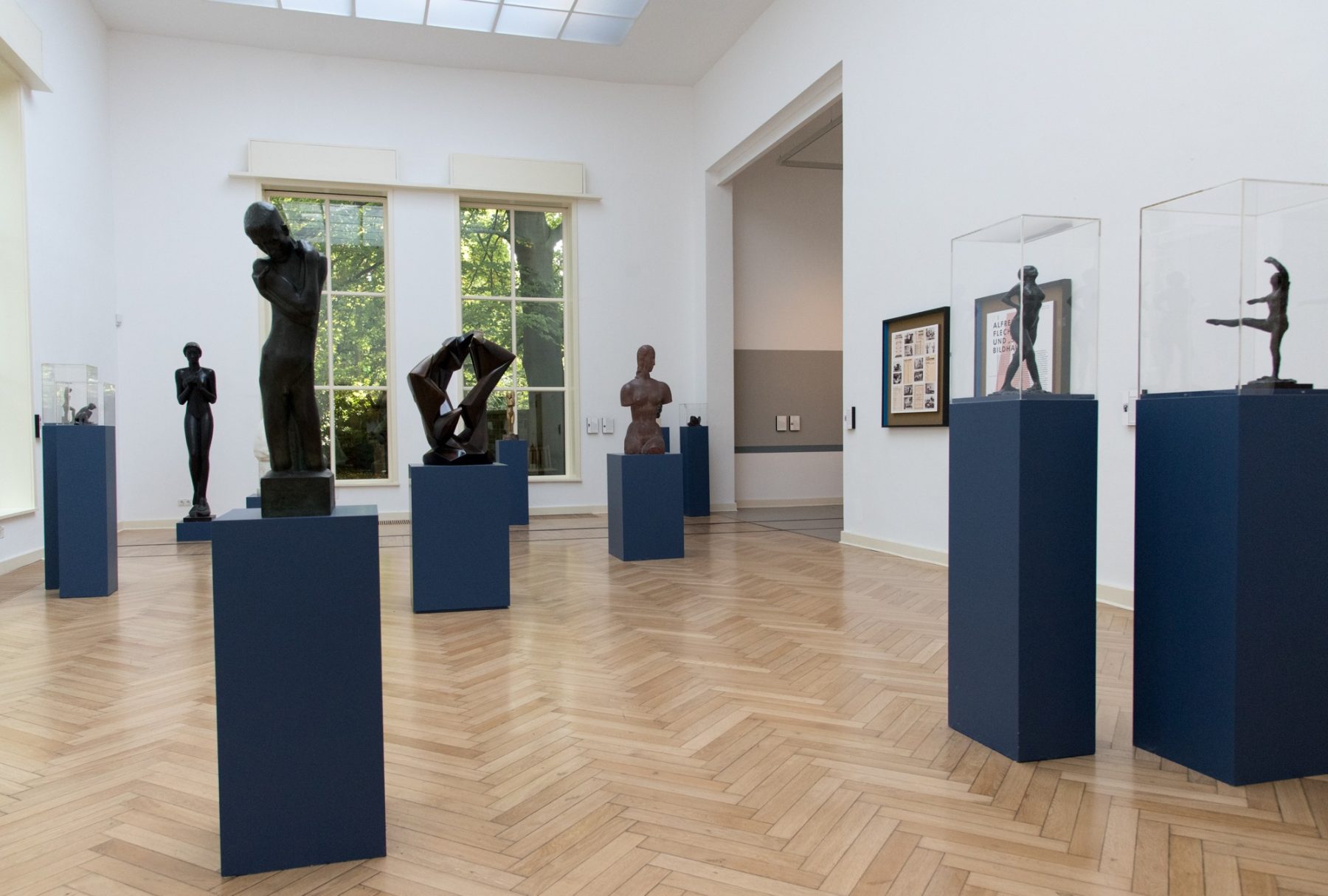
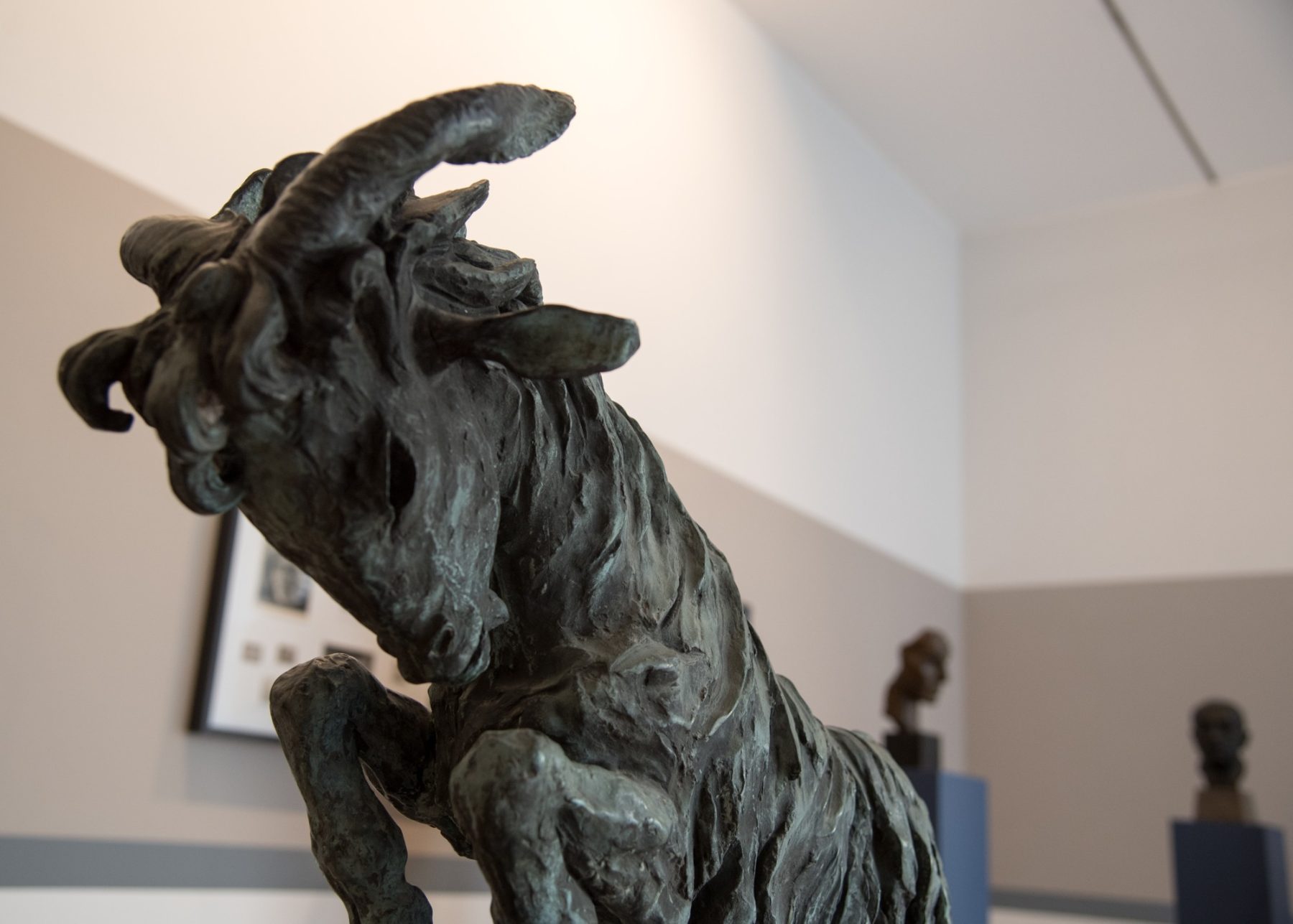
Alfred Flechtheim’s (1878–1937) role in European art history cannot be overestimated. He was a prominent art dealer, an art-loving publisher, a patron of the arts and a colourful figure of his time. This first special exhibition on Alfred Flechtheim in Berlin focuses in particular on his role in modern sculpture of the 1920s and outlines his eventful life.

The exhibition offers insights into the Berlin art scene and society of the 1920s. It documents not only the stylistic but also the biographical contrasts among the sculptors associated with Flechtheim, ranging from Arno Breker, who rose to become a ‘state artist’ under National Socialism, to Moissey Kogan, who was murdered in Auschwitz.

Featuring works by Ernst Barlach, Rudolf Belling, Arno Breker, Edgar Degas, Ernesto de Fiori, Hermann Haller, Georg Kolbe, Moissey Kogan, Wilhelm Lehmbruck, Aristide Maillol, Gerhard Marcks, George Minne, Marg Moll and Renée Sintenis.

Starting with the Kunstzentrum Berlin, which Alfred Flechtheim played a key role in shaping through his work, he strove to foster international cultural exchange. This endeavour came to an abrupt end with the rise of National Socialism and remains largely unknown to the general public to this day.

The exhibition pays tribute to him with around 40 sculptural works and extensive source material. It opens with Rudolf Belling’s famous sculptural portrait (1927), which depicts the art dealer in an almost abstract line. Also on display is Renée Sintenis’s ‘Large Grazing Foal’ (1920), which once stood as a landmark in front of Flechtheim’s gallery on Lützowufer in Berlin.

The exhibition is supported by the Hauptstadtkulturfonds.

The exhibition catalogue has been published by Nimbus Verlag and is available from the museum shop.

SELECTED PRESS REVIEWS:
“The Kolbe Museum does not seek to present the whole of Flechtheim – the patron of the Cubists and Expressionists, whose heirs are still suing for the return of works suspected of being looted art – but merely Flechtheim’s passion for sculpture. It is this focus that makes the exhibition significant.”

“The Kolbe Museum, however, evokes a phantom pain over the loss of a figure who was as essential to modernism in Germany as light and air, and of the man who embodied him.”, in: Flechtheim and Meier-Graefe. The Fire-Mages of the New Spirit, Andreas Kilb, Frankfurter Allgemeine Zeitung, 24 June 2017.

“Anyone walking through the exhibition (…) loses themselves in stories and learns a great deal about the circumstances surrounding the works. (…)”
“Sculpture was a defining feature of Classical Modernism in the city, thanks to Flechtheim (…)”, in: Jens Bisky, Süddeutsche Zeitung, 24 June 2017.

“Yet Wallner’s curatorial strategy has paid off in a striking exhibition in which Flechtheim is far more than a phantom.”, in: Exhibition Review. Alfred Flechtheim, Jean Marie Carey, Museumbookstore.com, 14 July 2017.

“Julia Wallner and co-curator Jan Giebel did not shy away from sensitive topics either. For instance, a delicately curved female torso by Moissey Kogan is juxtaposed, diagonally across the room, with Arno Breker’s expressive bust of the admired Russian sculptor: whilst one was murdered in Auschwitz in 1943, the other rose to become a Nazi ‘State Artist’.”, Networker, Patron, Human Being, Volkmar Draeger, Neues Deutschland, 19 July 2017.

“The exhibition at Berlin’s Kolbe Museum gives a glimpse of the wealth that was lost with him.” in: The Great Forgetting, Nicola Kuhn, Tagesspiegel, 26 May 2017.